
Walk a Rome Street Record
A street-by-street search works as a chain. Floyd County QPublic supplies the current parcel and taxpayer. Rome-Floyd GIS places it among nearby lots. Recorded deeds carry ownership back by legal description. A lawful voter-list order or old reverse directory may connect residents to the standardized street. No step proves a full household, but the combined record can show who owns land, which names were tied to an address at a set time, and how a block changed.
- Enter the location address in QPublic. Save the situs address, parcel number, owner, mailing address, legal description, and sale history.
- Open Rome-Floyd GIS, zoom to the street segment, and check parcel boundaries, ward, precinct, ZIP, zoning, historic survey, and city limits.
- Search the owner as grantee in the deed index. Record the seller, instrument, date, book, page, and legal description.
- For a lawful residence snapshot, filter a purchased Georgia voter file by standardized street fields. My Voter Page cannot browse a street.
- For an earlier household, use a reverse directory by street and number, then compare census, newspaper, probate, and deed evidence.
The route starts with an address but soon depends on a parcel identifier and names. Deeds may omit a modern number and rely on lot, block, subdivision, or metes-and-bounds wording. Keep the exact direction and street type because Rome's rivers, numbered avenues, and NE, NW, SE, and SW suffixes can place similar numbers in different districts.
Search Rome Streets in QPublic
The Floyd County QPublic search is the main current-owner tool. A location-address query runs from a Rome street number to a parcel card. If spelling is uncertain, shorten the address, omit a suffix, or use the map. Owner Name helps when the address fails; Parcel Number gives the cleanest return once known.
| Field | Input | Best use | Search note |
|---|---|---|---|
| Owner Name | Text | Known owner | Try partial spelling |
| Location Address | Text | Street lookup | Omit suffix if unsure |
| Parcel Number | Text | Exact parcel | Floyd PINs can be alphanumeric |
| Map | Map mode | Nearby context | Confirm on parcel card |
| Advanced Search | Multiple | Class, value, location | Live options may change |
A card can show taxpayer, mailing and situs addresses, PIN, legal description, acreage, values, building facts, sale dates, and homestead status. The assessor office, 5 Government Plaza, answers questions at 706-291-5143.
The official assessor page identifies the custodian behind this part of the Rome street directory.
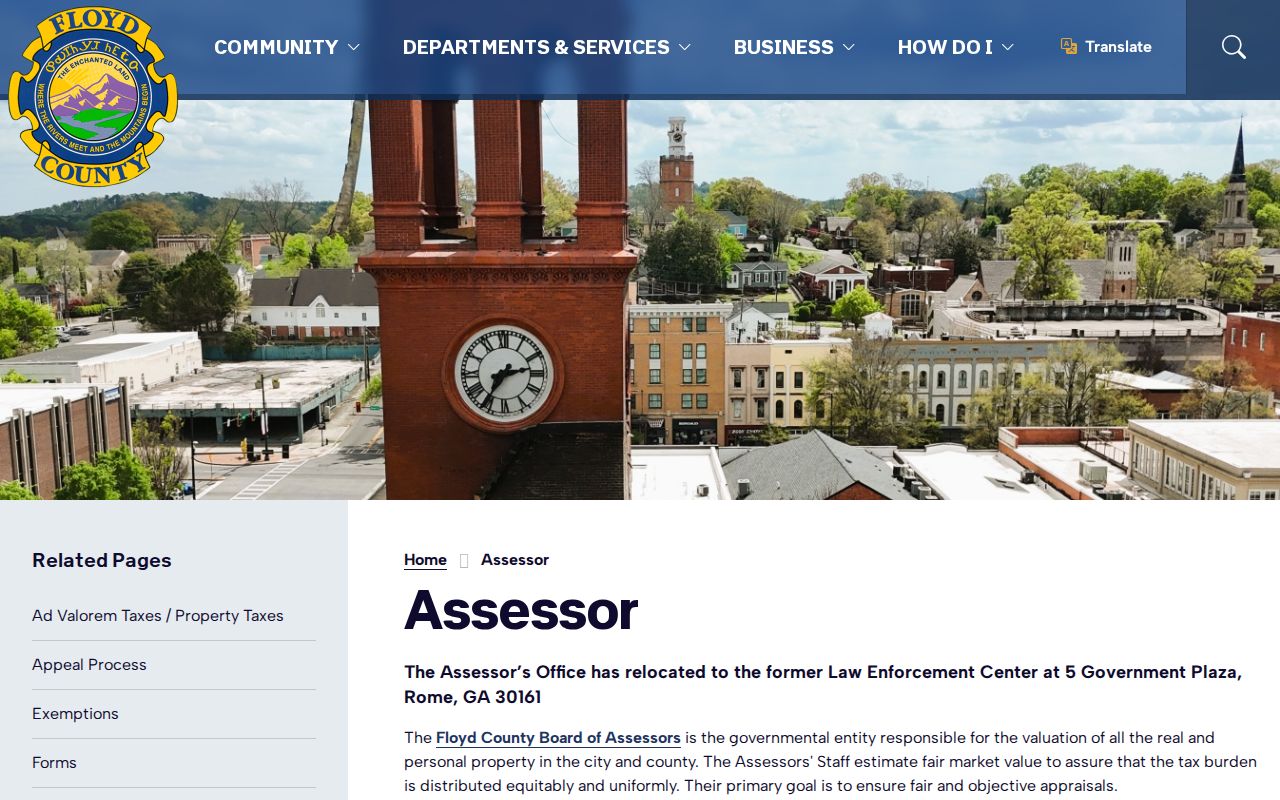
Use the office when an address query produces no usable parcel.
Rome Owner and Situs Addresses
The situs address is the assessed property's location. The mailing address is where tax correspondence goes. A match, reinforced by a homestead indicator for that tax year, supports owner occupancy. It still does not name each person in the home. A mismatch can point to remote ownership, a firm, a post-office box, or another correspondence address. It never identifies a renter.
- Parcel
- A mapped unit of land with its own Floyd County identifier.
- Situs address
- The physical location assigned to assessed land.
- Plat
- A recorded drawing of subdivision lines, lots, blocks, and streets.
- Criss-cross directory
- A directory arranged by street and house number, not just surname.
Rome's recent owner-occupancy estimate is 49.2 percent. That makes the limit plain: owner records are not resident rolls. A parcel card is strongest for ownership, tax mail, property traits, and sales.
Note: Matching situs and mailing fields support an inference, but neither proves every current Rome resident at that address.
Map Rome Streets Parcel by Parcel
The Rome-Floyd GIS applications turn one parcel into a street view. Search the address, select it, then pan along the segment and inspect adjoining or fronting lots. Themes include roads, parcels, zoning, land use, wards, precincts, ZIPs, historic districts, redevelopment areas, rivers, flood features, contours, and imagery.
The mapping page is the official source for these applications.
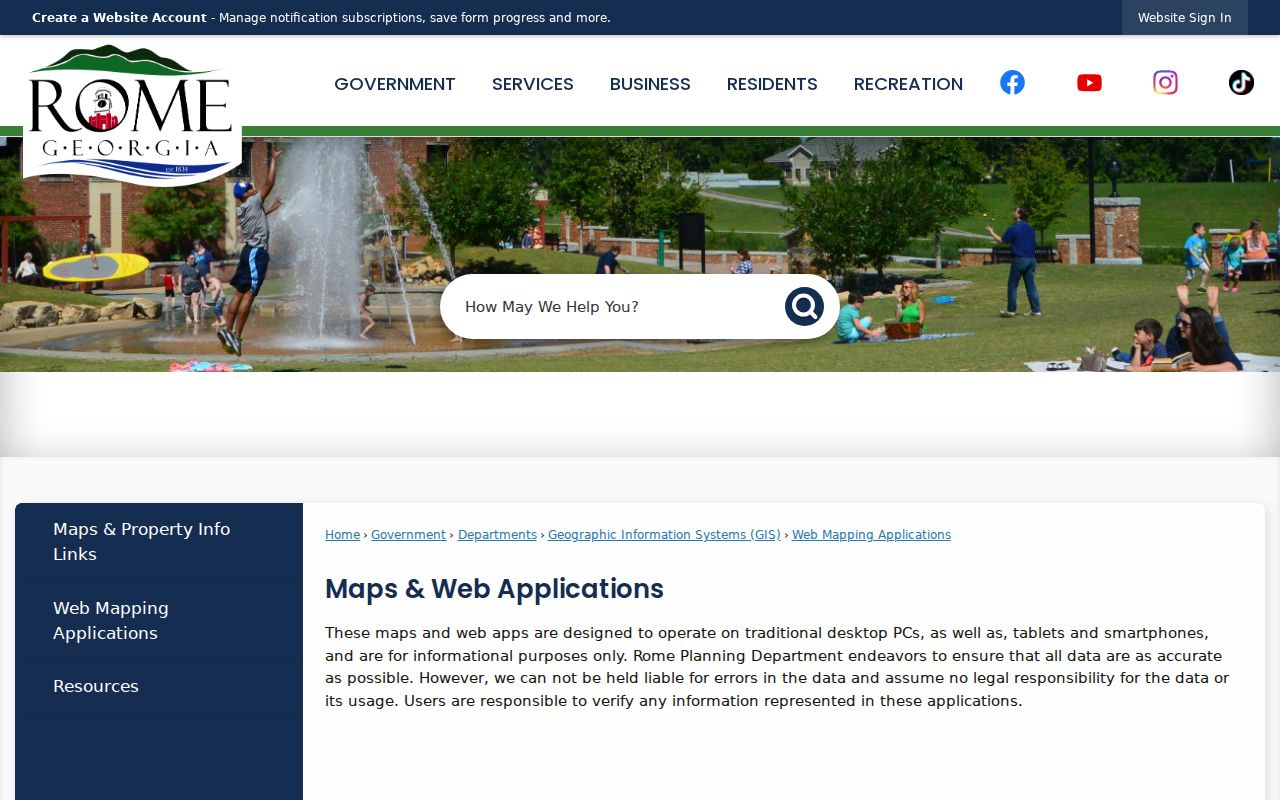
GIS explains spatial context; assessor cards and deeds remain stronger owner and title sources.
Parcel boundaries matter more than number proximity. A Rome mailing city may sit beyond incorporated Rome, and annexation can change city services without changing the postal label. Use current layers for present jurisdiction and old maps for past context.
Rome Street Directory Sources
Address records cover different slices of a Rome street. Some are free, some need an account, and others require a call, visit, mail request, or open-records request. A missing web result does not mean the record never existed.
| Record | Keeper | What it shows | Access |
|---|---|---|---|
| Appraisal card | Floyd Assessors | Owner, addresses, PIN, values, sales | Free QPublic; office |
| GIS parcel | Rome-Floyd GIS | Adjacency, zoning, districts, ZIP | Free maps; 706-802-6703 |
| Deed or plat | Superior Court Clerk | Parties, description, date, citation | Guest index, paid image, counter, mail |
| Voter list | Georgia SOS | Registered address, status, districts | Paid order; restricted use |
| Tax bill | Tax Commissioner | Taxpayer, parcel, payment | Public portal |
| Permit/code | Building Inspection | Applicant, work, dates | Inquiry or request |
The PIN links maps, appraisal, tax, plat, and permits. Legal descriptions bridge deeds. The Floyd tax portal adds fiscal facts.
The tax portal is separate from the assessor roll and is not a resident list.
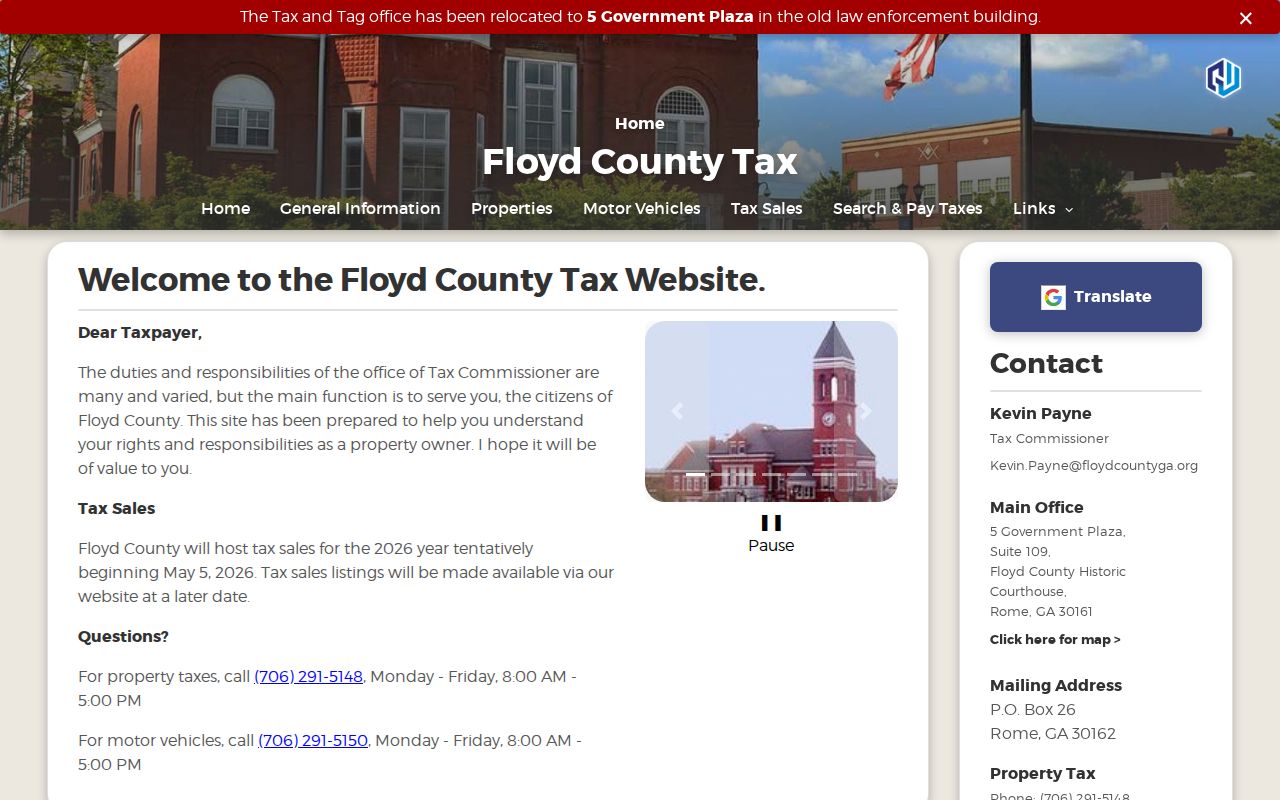
Keeping tax responsibility apart from occupancy prevents a common error.
Follow Rome Street Deeds Back
The Clerk records deeds, security deeds, assignments, cancellations, liens, and plats. The Floyd eSearch portal has a free guest index; images require a subscription. Online access is limited, so a blank result is not proof that an older deed did not exist.
Search the owner as grantee, the party receiving title. Record grantor, grantee, date, book/page, instrument, and legal description. Then search the grantor as an earlier grantee and confirm the same lot. The GSCCCA search offers deed, lien, plat, UCC, and property modes.
The statewide screen is another official path into Georgia property indexes.
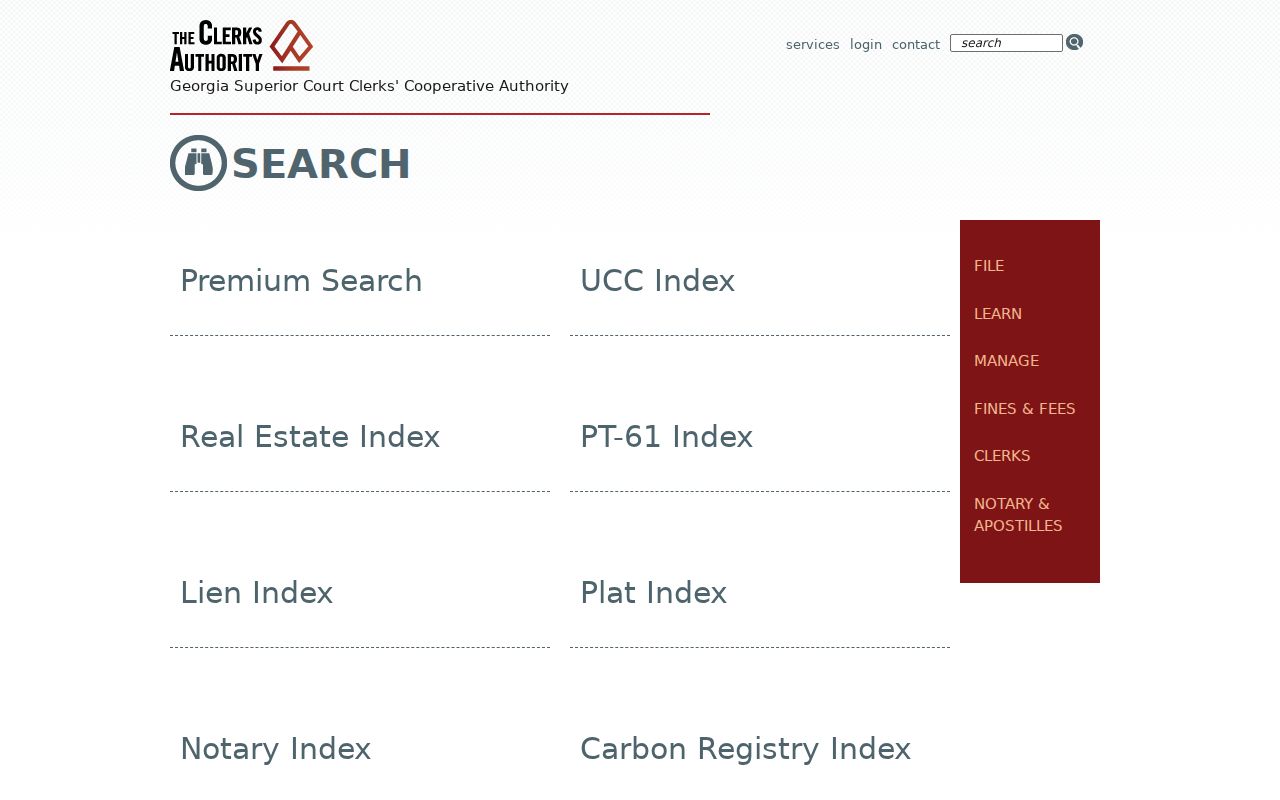
Use its citation as a lead, then confirm Floyd images or copies with the Clerk.
The Floyd Clerk deeds page explains web and courthouse routes. Mail requests go to Deed Room Suite 103, 3 Government Plaza, Rome, GA 30161, with type and book/page. Plain copies cost $1 per page; certified deeds cost $2.50 for page one and $0.50 per added page.
The Clerk page governs the fallback when the web trail stops.
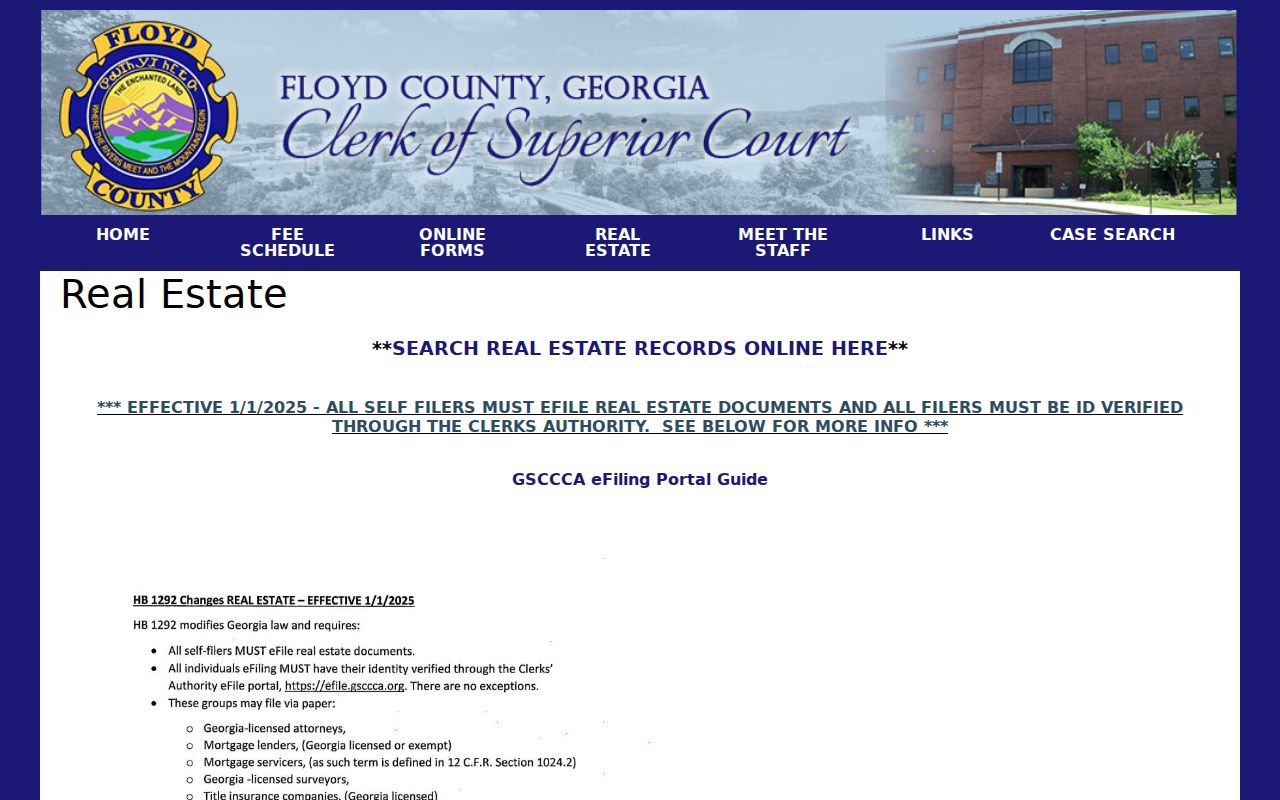
Its limited-online warning makes counter and mail access essential.
Lawful Rome Voter Street Data
My Voter Page checks one person's own registration. It cannot enumerate a street. The official street-level route is a voter-list order from the Secretary of State. The file separates residence number, direction, street, type, unit, city, and ZIP, plus municipality, precinct, status, date, and districts. It excludes phone numbers, full birth dates, Social Security numbers, and driver-license numbers.
A Rome list costs $65 and a Floyd County list $70 under the documented 2024 schedule. Orders are prepaid, emailed, and take about two weeks. Commercial use is a misdemeanor under O.C.G.A. §21-2-601. VoteSafe withholds qualifying addresses. The file is a snapshot of registered voters, not all occupants.
Choose the geographic product with care. The order form supports municipality, county, precinct, and district choices and asks for purchaser name, billing address, email, phone, list type, geography, description, payment, and signature. A billing address cannot be a post-office box. The published file has more than forty status, location, and district fields, including separate residence and mailing components. Filter on standardized residence street name, direction, type, apartment, ZIP, and precinct. Do not substitute the mailing address for the registered residence.
Election participation is not a vote choice. Georgia does not register voters by political party, although the file can show a Last Party Voted field from a primary. Inactive status may reflect confirmation and list-maintenance steps rather than a known move date. Contact the Floyd registrar for county election records or a precise historical poll-book request. The exact Floyd historical poll-book run was not verified online, so the Georgia Archives county microfilm and clerk response must set the available years.
Rome Permits Add Address Dates
Permits and code files can attach a project, applicant, owner, contractor, and date to an address. Rome has no verified stable public result index. Ask Building Inspection for permits and certificates by exact address. For other files, request existing records through city or county channels under the Georgia Open Records Act.
Give the standardized address, PIN, date span, and record type. Ask for electronic delivery and a cost estimate. Agencies generally respond within three business days, though production may be later. Search, redaction, and copying fees may apply.
Keep the permit's purpose distinct from the deed chain. A named contractor worked on the site but may never have lived there. An applicant can be an architect, manager, or agent. The file is most useful for dating construction, demolition, remodeling, certificates, or a shift in building use. Compare that date with QPublic characteristics, GIS imagery, a plat, and any old map before tying the work to a change in street number or occupancy.
Planning and annexation files may be even richer. Rome's annexation application asks for a street address, PIN or tax-map number, deed, plat, owners, and interested parties. It can document when a Floyd parcel moved into city services. That jurisdiction date explains why county and city offices may hold different portions of one address history.
Rome Streets Cross Record Borders
A Rome postal address does not prove city jurisdiction. Deeds and taxes remain Floyd County records, while city permits depend on city limits. GIS gives boundary context; USPS validates mail. If an old number seems wrong, do not assume a citywide renumbering year. None was verified. Match the Sanborn block, plat, adjoining owners, and legal description.
Reverse directories add past occupants. Rome editions are documented from 1913 through 1960 with gaps, telephone runs about 1936 through 1961, and local telephone volumes 2010 through 2013. Check the Rome city directory collections and pair any entry with census, deed, news, or obituary evidence.
Rome Streets Reach Deed Book F
Floyd County was created in 1832. Georgia Archives has digitized Deed Book F from 1848 to 1850, with faded-ink notes. It can bridge a modern chain to nineteenth-century ownership when names and descriptions align. The exact earliest modern web-index date is unpublished, so move from guest index to image, Deed Room, mail, or Archives microfilm as needed.
The Floyd Clerk fee schedule gives current cost context.
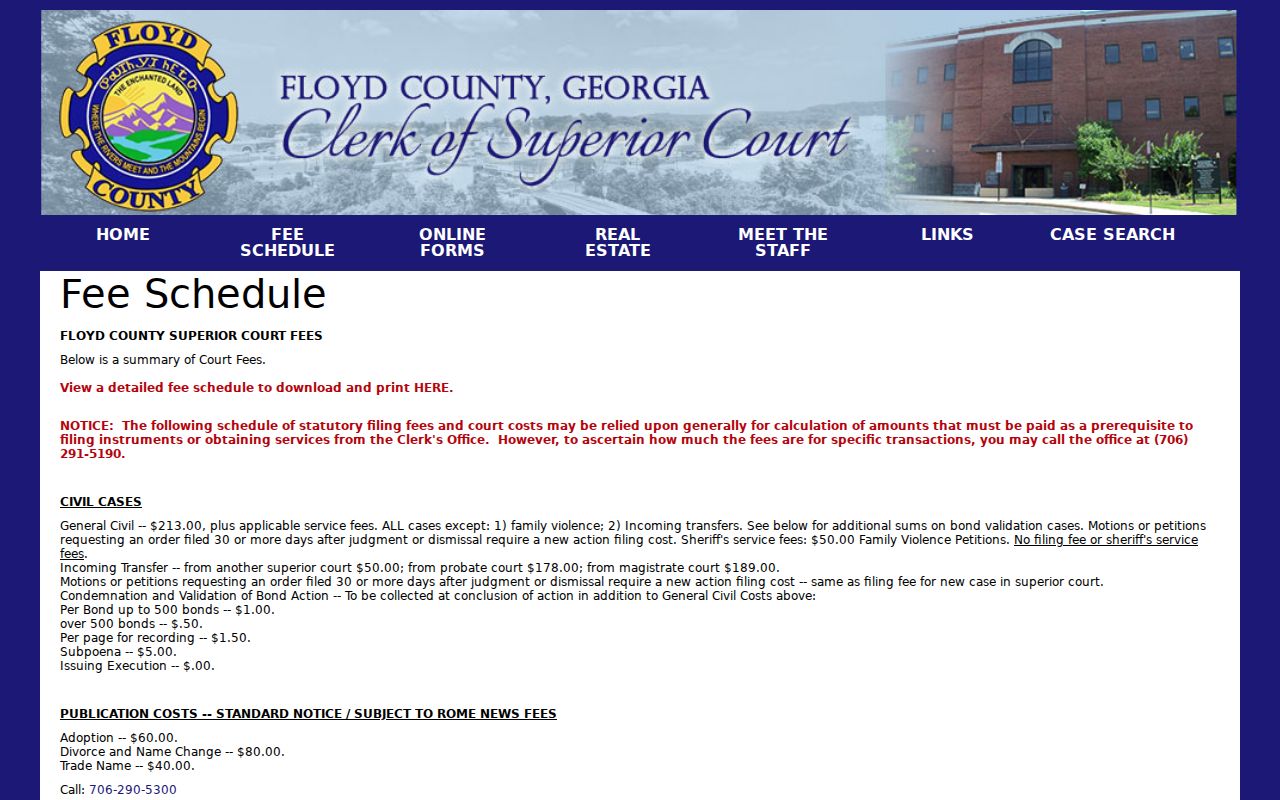
Confirm the service and certification before ordering.
Limits of Rome Street Records
A Rome street directory cannot show every renter, relative, roommate, child, or mover. Parcel maps show land and owners, not all occupants. Voter files omit nonvoters and protected addresses. Directories omit unlisted people. Driver data and utility accounts are not public household lists.
Use official results for family history, deed work, civic review, scam avoidance, or careful property research. Confirm a name through two sources. Do not publish a guessed roster or treat an old address as present whereabouts.
Lawful use. Rome address records are for lawful personal research. Public access never permits stalking, threats, harassment, impersonation, or evasion of a protective order.